
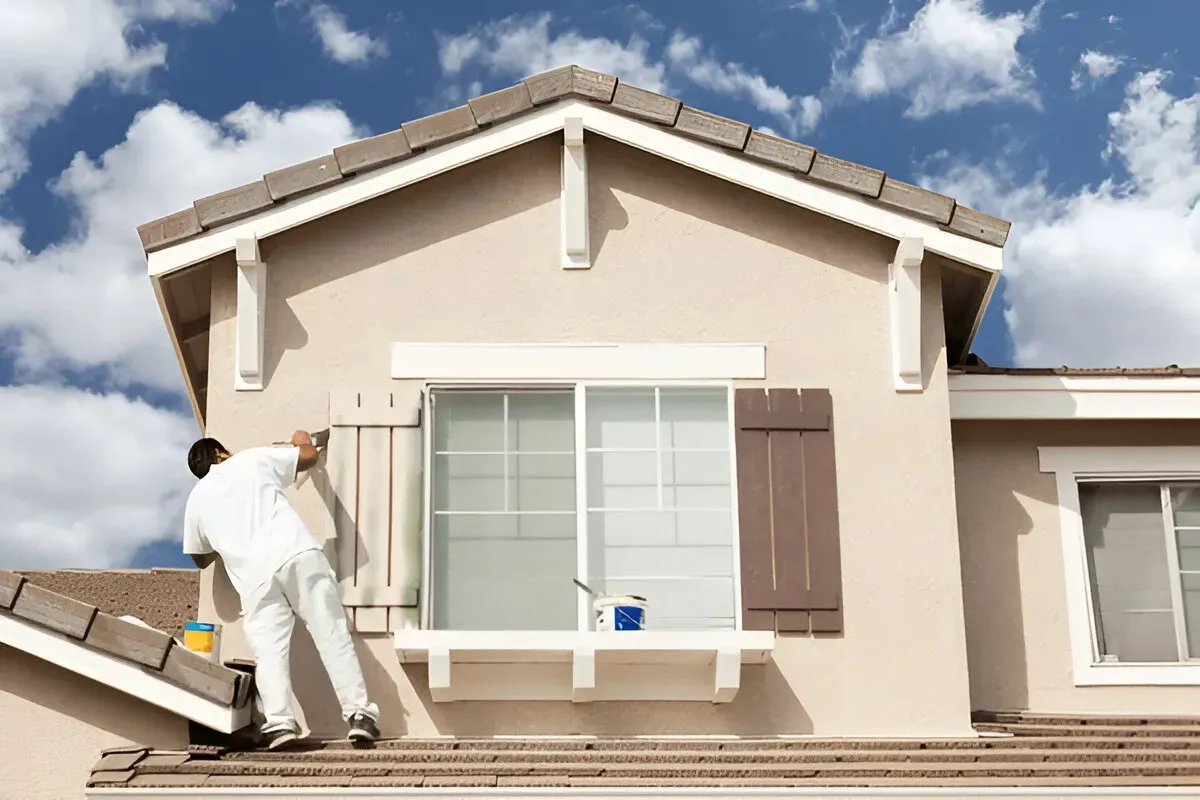
Best Exterior Paint Options for Castle Rock, CO Homes and Surrounding Areas
Selecting the right exterior paint is essential for homeowners in Castle Rock, CO and surrounding areas where weather conditions can be unpredictable. Exterior paint not only defines a home’s appearance but also acts as a protective barrier against sunlight, moisture, wind, and temperature fluctuations. Choosing high-quality paint options designed for durability and climate resistance ensures long-lasting beauty, reduced maintenance, and better protection for exterior surfaces.
What Factors Should Homeowners Consider When Choosing Exterior Paint?
Homeowners should consider climate exposure, surface material, durability, color retention, and maintenance needs when selecting exterior paint. Castle Rock’s mix of strong sunlight, cold winters, and seasonal moisture can quickly wear down low-quality coatings. Paints with flexibility, strong adhesion, and weather resistance perform best in these conditions. Understanding how paint interacts with siding materials such as wood, stucco, or fiber cement also helps ensure proper performance and longevity.
Why Is Climate-Specific Paint Important for Homes?
Exterior paint must withstand temperature swings, UV exposure, and occasional moisture. Climate-specific paints are engineered to expand and contract with changing temperatures without cracking or peeling. In areas with intense sunlight, UV-resistant formulas help maintain color vibrancy and prevent chalking. Choosing paint suited for local climate conditions significantly extends the life of the exterior finish.
How Does Acrylic Latex Paint Benefit Exterior Surfaces?
Acrylic latex paint is one of the most popular exterior paint options because of its durability and flexibility. It adheres well to most surfaces and resists cracking as temperatures change. Acrylic latex also offers excellent fade resistance and dries relatively quickly, making it ideal for residential exteriors that need long-lasting protection and easy maintenance.
What Advantages Do Elastomeric Paints Offer?
Elastomeric paints provide a thick, flexible coating that fills hairline cracks and creates a waterproof barrier. These paints are especially effective for stucco, concrete, and masonry surfaces that may develop minor cracks over time. Their elasticity helps prevent moisture penetration, reducing the risk of mold growth and structural damage while extending the life of exterior walls.
Are Acrylic-Alkyd Hybrid Paints a Good Choice?
Acrylic-alkyd hybrid paints combine the durability of alkyd paints with the flexibility of acrylics. These paints provide excellent adhesion, smooth finishes, and strong resistance to wear. Hybrid options are often chosen for trim, doors, and detailed exterior features where durability and visual appeal are equally important.
Why Is Proper Priming Essential Before Exterior Painting?
Primer plays a critical role in the success of an exterior paint job. It seals porous surfaces, improves paint adhesion, and blocks stains or discoloration. Proper priming ensures even coverage and helps the topcoat perform as intended. Skipping or using the wrong primer can lead to peeling, uneven color, and premature paint failure.
How Does UV Resistance Impact Exterior Paint Longevity?
UV radiation breaks down paint over time, leading to fading and surface degradation. Exterior paints with strong UV resistance protect the color pigments and binders from sun damage. This helps maintain the home’s appearance longer and reduces how often repainting is required, making UV-resistant paint a cost-effective choice.
Can Exterior Paint Help Improve Energy Efficiency?
Certain exterior paints can help regulate surface temperatures by reflecting sunlight rather than absorbing heat. Lighter colors and reflective coatings reduce heat buildup, which can ease indoor cooling demands during warmer months. While not a replacement for insulation, exterior paint can contribute to improved comfort and energy efficiency.
How Do Color Choices Affect Curb Appeal and Value?
Color selection plays a major role in curb appeal and perceived property value. Neutral tones offer timeless appeal, while carefully chosen accent colors add personality and highlight architectural details. Selecting colors that complement the surrounding environment and home design enhances visual harmony and supports resale value.
How Often Should Exterior Paint Be Updated for Best Results?
Exterior paint typically lasts between five and ten years depending on paint quality, surface preparation, and environmental exposure. Regular inspections help identify early signs of wear such as fading, cracking, or peeling. Timely repainting protects surfaces before damage occurs, preserving both appearance and structural integrity.
Final Thoughts
Choosing the best exterior paint options for homes in Castle Rock, CO and surrounding areas requires balancing durability, climate performance, and visual appeal. High-quality paints such as acrylic latex, elastomeric coatings, and hybrid formulas offer long-term protection when paired with proper preparation and priming. Investing in the right exterior paint enhances curb appeal, reduces maintenance costs, and safeguards your home against harsh weather conditions for years to come.
How long should exterior paint last on a home?
With proper preparation and quality paint, most exterior finishes last several years.
Is it better to repaint before visible damage appears?
Yes, repainting early prevents moisture intrusion and surface deterioration.
Do darker exterior colors require more maintenance?
Darker colors may show fading sooner but perform well with UV-resistant paint
Can exterior paint be applied in colder weather?
Most paints require moderate temperatures for proper curing.
Does exterior paint protect against moisture damage?
Yes, quality exterior paint creates a barrier that helps prevent water penetration.
Email:[email protected]
Phone: +1 303-725-9292
Address: 6834 South University Boulevard #148, Centennial, CO 80122